Venue
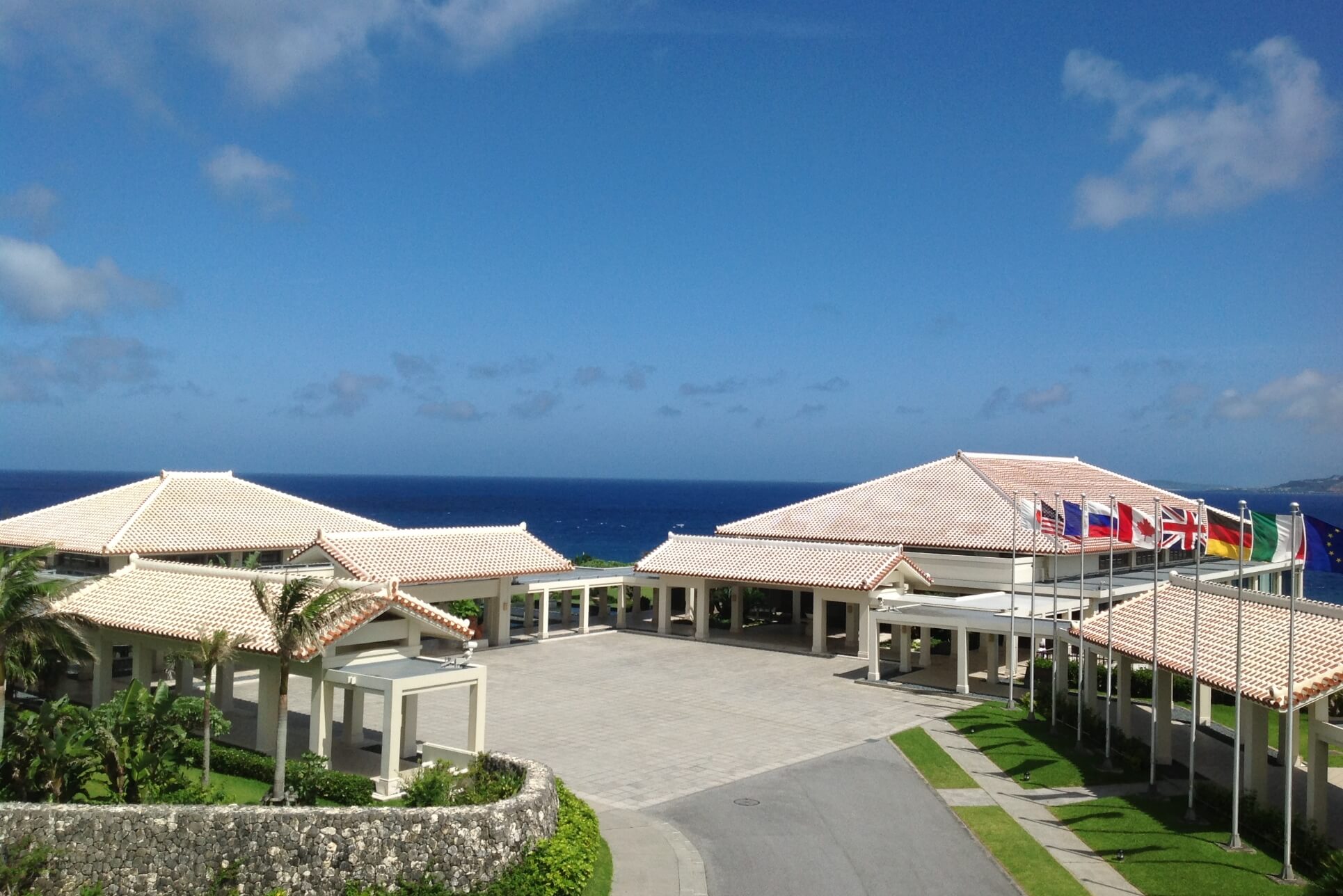
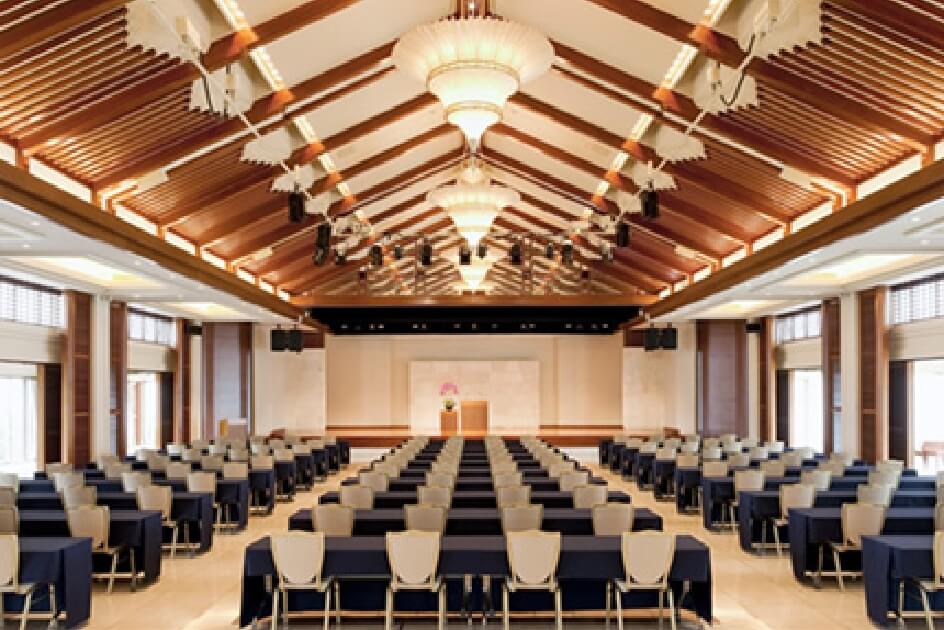
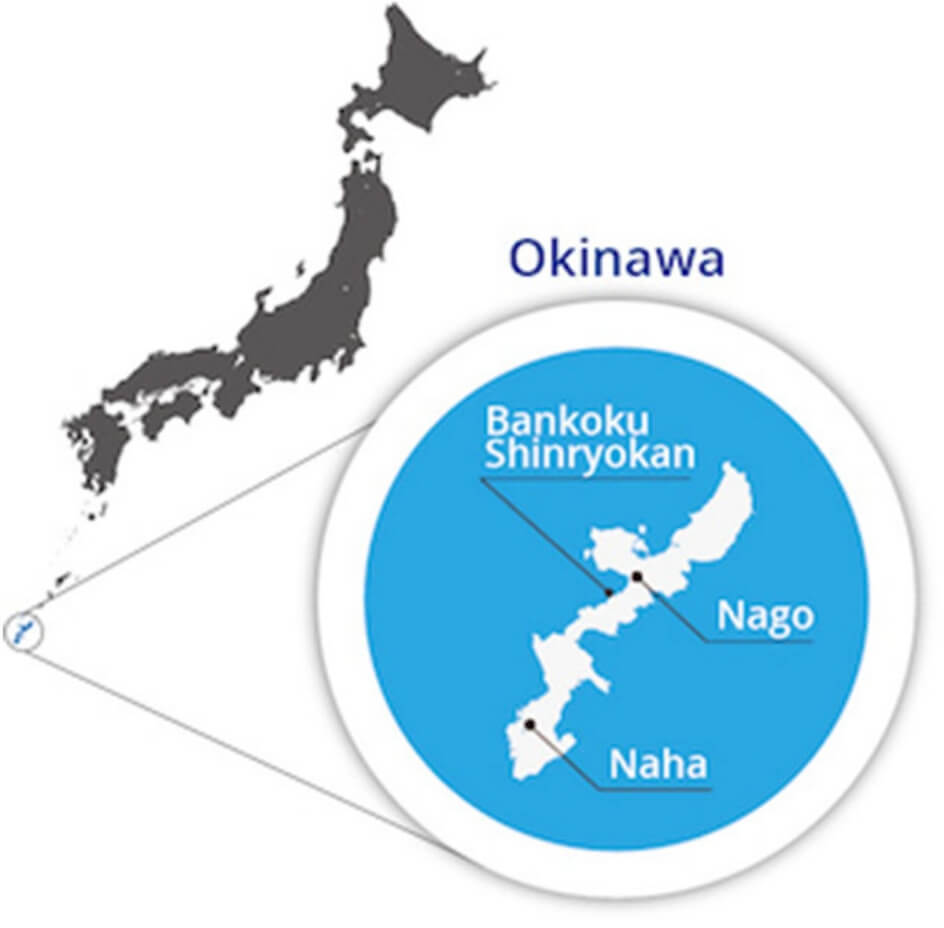
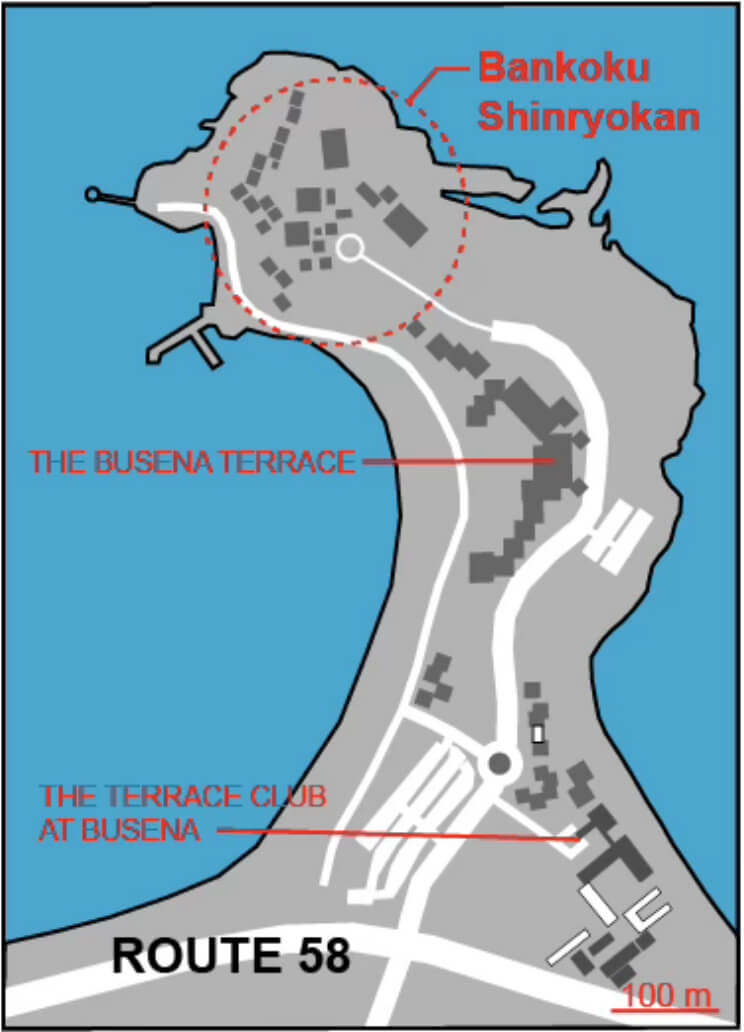
Bankoku Shinryokan is situated on Busena Point, one of the most scenic locations in Okinawa, near Nago City. The name “Bankoku Shinryo,” meaning “Bridge Between Nations,” originates from an inscription on a large bell at Shuri Castle, the former royal palace of the Ryukyu Kingdom. Since its opening in 2000, the facility has hosted numerous prestigious events, including the G8 Summit that same year. Bankoku Shinryokan is approximately two hours from Naha International Airport by airport bus.
Access
To Okinawa
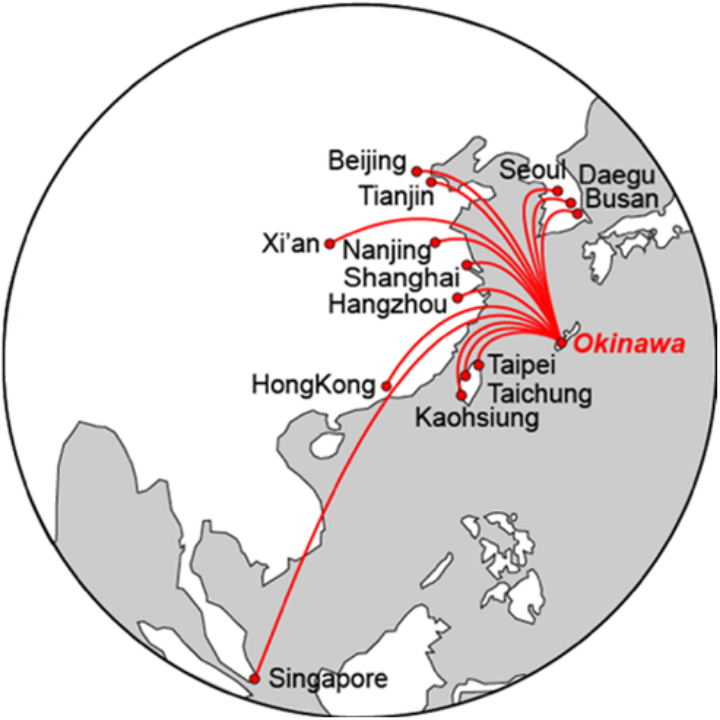
Many Asian airlines operate regular flights to Naha, Okinawa’s main airport, from major cities in China, Hong Kong, South Korea, Taiwan, Singapore and Thailand. Naha is also well connected to other cities in Japan, with several airlines offering multiple daily flights from Tokyo (Haneda and Narita airports), Osaka (Kansai and Itami airports), and Nagoya. For detailed flight information, please visit the Naha Airport official website.
https://www.naha-airport.co.jp/en/flight/
From Airport to Venue
Limousine bus services operate from Naha Airport to a stop just five minutes from the venue. The nearest stop to Bankoku Shinryokan is the Busena Terrace Beach Resort, located approximately two hours from the airport. Timetables (see route CD, D and DE) and route maps are available on the Okinawa Bus website. For more detailed information, please visit https://okinawabus.com/en/
Shuttle bus
During the conference, shuttle bus services will operate between Naha Airport and the conference venue, as well as between major hotels in Nago City and the venue. Details will be announced on this website.
Accommodation
The official hotel for this conference is The Busena Terrace Hotel, the closest hotel to the Bankoku Shinryokan and serves as the venue for some sessions.
At The Busena Terrace, every detail is designed for comfort and ease. Thoughtful service, refined cuisine, personalized butler care, and rejuvenating spa experiences come together with a variety of marine and outdoor activities to offer a stay that is both luxurious and deeply restorative.
Several other accommodation options located nearby. A variety of hotels and guesthouses can also be found in Nago City, approximately 30 minutes from the venue by bus.
During the conference, a shuttle bus service will operate between hotels in Nago City and the venue for participants’ convenience. Regular local bus services are also available
Visa Information
Please visit the website of the Ministry of Foreign Affairs (MOFA) of Japan (www.mofa.go.jp/j_info/visit/visa/short/novisa.html) to check for the countries and regions that have a visa exemption agreement with Japan. For nationals and citizens of those countries and regions not included on the list, a visa is required to enter Japan. Carefully read the Japanese visa guidelines provided by the MOFA at www.mofa.go.jp/j_info/visit/visa/index.html. You may also need to contact the local Japanese embassy or consulate in your country to apply for a valid visa.
Please kindly note that the organizing committee is not authorized to assist with the visa application process beyond providing a conference invitation letter. The conference invitation letter, however, cannot guarantee the approval of a visa application. Should your application be denied, the conference organizing committee cannot change the decision of the MOFA, nor will the organizing committee engage in discussions or correspondence with the consulate or the visa center on behalf of the applicant.
Around Okinawa
Okinawa
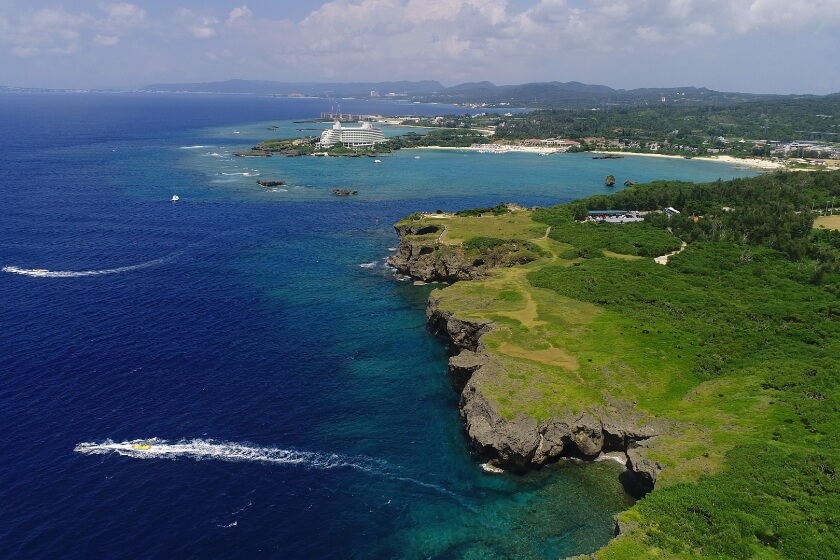
Located at the southernmost point of Japan, Okinawa is a group of 160 islands, including uninhabited islands. Due to its subtropical climate, it is warm and comfortable throughout the year. There are many examples of untouched nature including beautiful coasts, coral reefs, and primeval forests. Okinawa has a unique culture distinctly different from that of the rest of Japan in terms of language, cuisine, arts, and so on, which reflect its history as an independent kingdom and tributary state to China for several centuries that was under occupied by the United States after World War II until 1972. These features make Okinawa one of the most popular holiday destinations in Japan.
Nearby places of interest
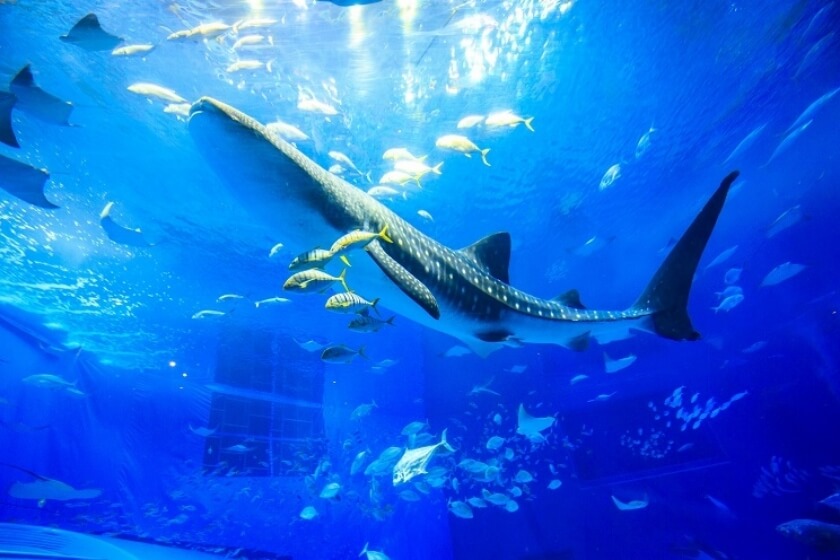
- Okinawa Churaumi Aquarium is widely considered to be one of Japan’s best aquariums. The highlight is an enormous tank that contains a wide variety of marine species, including giant whale sharks and manta rays.
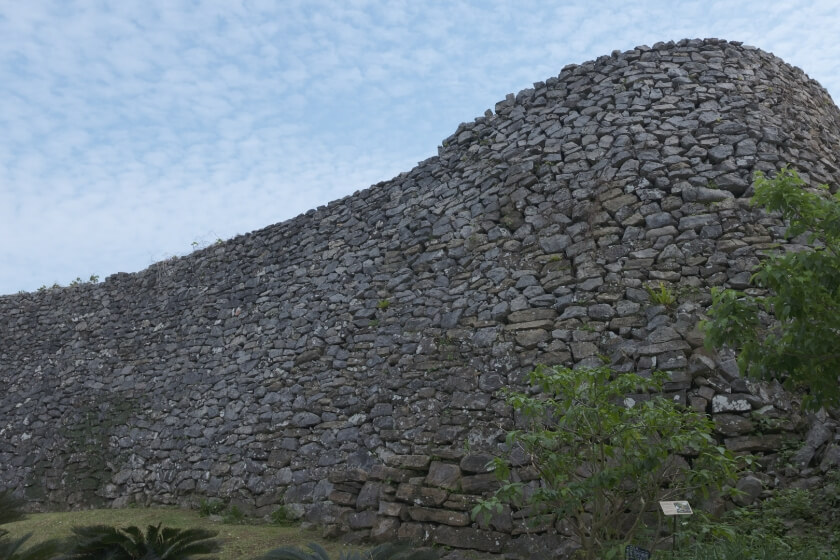
- At Nakijin Gusuku Ruins, a group of castle ruins that has been named a UNESCO World Heritage site, you can see a number of shrines and the remains of stone structures that date back to the 13th century.
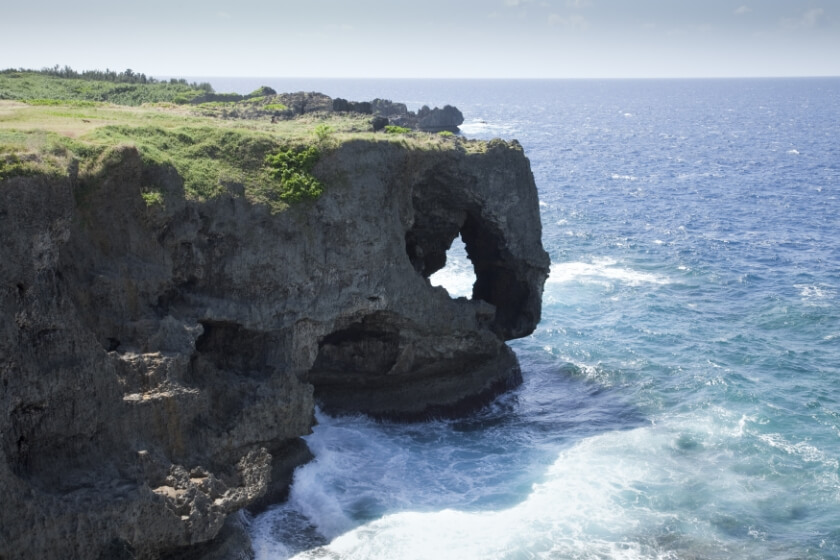
- Cape Manzamo is a place noted for its superb views of the clear Okinawan Sea. The limestone cliffs are also home to a popular tourist destination, a rock shaped like an elephant’s trunk that was formed when a coral reef rose.
Okinawan cuisine
Okinawan cuisine differs significantly from Japanese cuisine due to the islands’ unique history and climate. It has been significantly influenced by the cultures of China, Southeast Asia, and the United States.
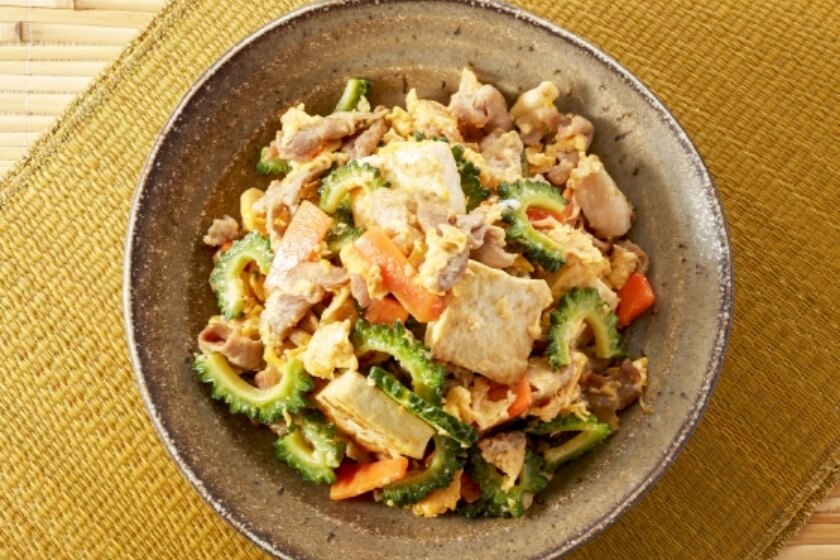
- Champuru, which means “stir fry” in the Okinawan language,is a dish that is prepared by stir frying various ingredients. The most popular champuru is goya champuru, in which the bitter goya (bitter melon) is stir fried with tofu, eggs, and pork or spam.
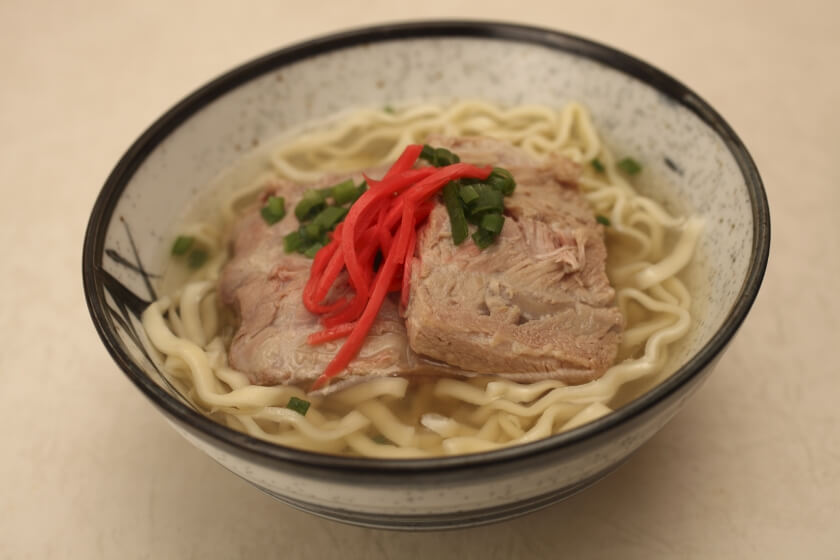
- “Soba” commonly means noodle in Japan, but Okinawa Soba is completely different from soba from the Japanese mainland.These noodles are made of wheat rather than buckwheat and are served in a bowl of broth with a number of toppings, such as soft-boiled pork.
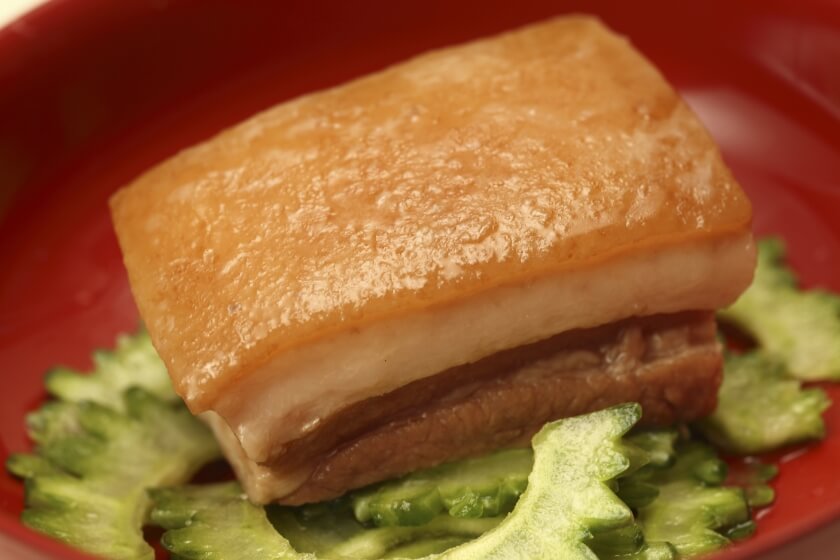
- Pork is the most popular meat in Okinawa. Every part of the pig is used, from pig’s feet (Tebichi) and pig’s ears (Mimiga) to pork tripe. Rafute refers to thick cuts of pork belly boiled to be very soft. Some Okinawan restaurants also feature goat meat,which can even be served raw.
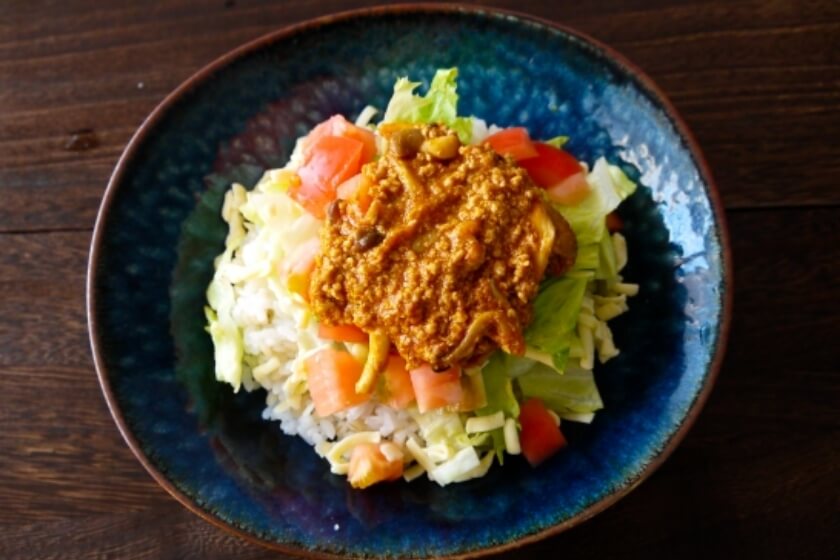
- As a result of the American presence in Okinawa, taco rice is popular as a casual dish. It is usually found as a bowl of spiced ground beef, cheese, and salsa served on top of white rice.
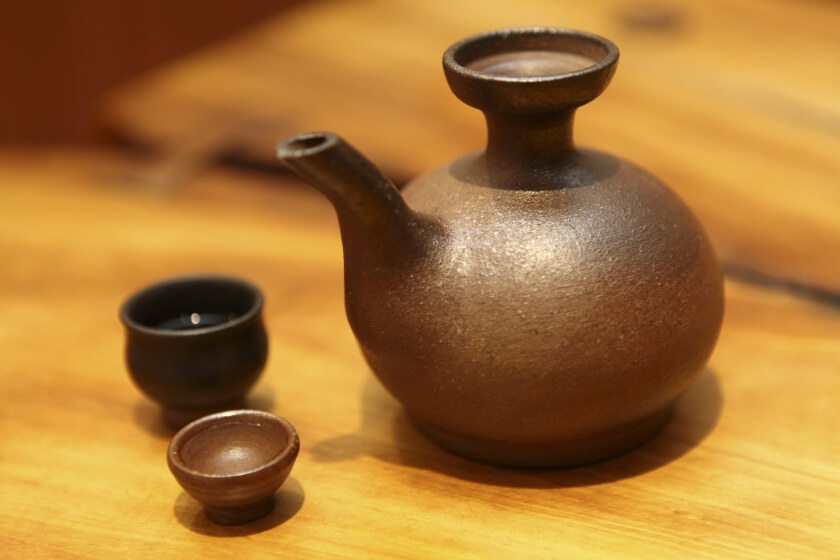
- Awamori is a distilled spirit unique to Okinawa. It is made from long-grained rice and uses a black koji (malted rice)indigenous to Okinawa. Some awamori is aged for a long time in clay pots, usually kept in cool underground storerooms.