Speakers
Plenary Speakers
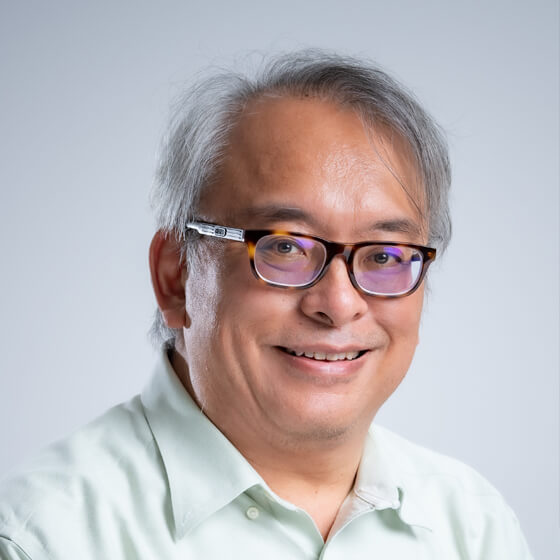
Katsuhiko Ariga
National Institute for Materials Science (NIMS)/University of Tokyo, Japan
Katsuhiko Ariga is the Senior Scientist with Special Missions, Research Center for Materials Nanoarchitectonics (MANA) at the National Institute for Materials Science (NIMS). He received his Ph.D. degrees from the Tokyo Institute of Technology. His research field is based on supermolecular chemistry and surface science, including the boundary research areas of organic chemistry, physical chemistry, biochemistry, materials chemistry, and nanotechnology. He also appointed as a professor of Univ. Tokyo since 2017. He is a Fellow of Royal Society of Chemistry, a Member of World Economic Forum Expert Network, and an Honorary Member of Materials Research Society of India. He has editorial activities in several key scientific journals including Bulletin of the Chemical Society of Japan, Journal of the American Chemical Society, Angewandte Chemie International Edition, Advanced Materials, Chemistry of Materials, ACS Applied Materials & Interfaces, Nanoscale Horizons, Chemistry An Asian Journal, Small Methods, Japanese Journal of Applied Physics, Applied Physics Express, Physical Chemistry Chemical Physics, Cell Reports Physical Science, Colloids and Surfaces A, Journal of Oleo Science, and Current Opinion in Colloid and Interface Science.
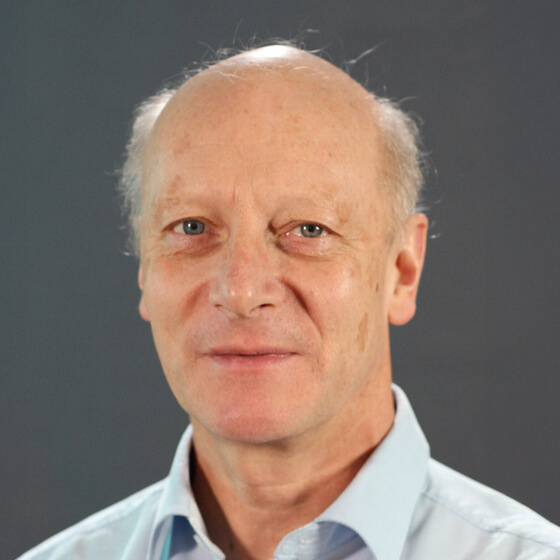
Hans-Jürgen Butt
Max Planck Institute for Polymer Research, Germany
Hans-Jürgen Butt studied physics in Hamburg and Göttingen. He did his PhD in Frankfurt at the Max Planck Institute for Biophysics with Ernst Bamberg in 1989 on membrane biophysics. After a postdoc in Santa Barbara with Paul Hansma and a researcher position back in Frankfurt, he became associate professor at the University Mainz in 1996 and four years later full professor at the University of Siegen. In 2002 he joined the Max Planck Institute for Polymer Research in Mainz as a director. His research is on the structure and dynamics of soft matter interfaces in particular wetting and surfaces forces using methods such as scanning probe microscopy, fluorescence correlation spectroscopy and X-ray scattering. He served as chair of the German Colloid Society (2007-11), the International Association of Colloid and Interface Scientists (IACIS, 2018-22) and was treasurer of the European Colloid and Interface Society (ECIS, 2010-16).
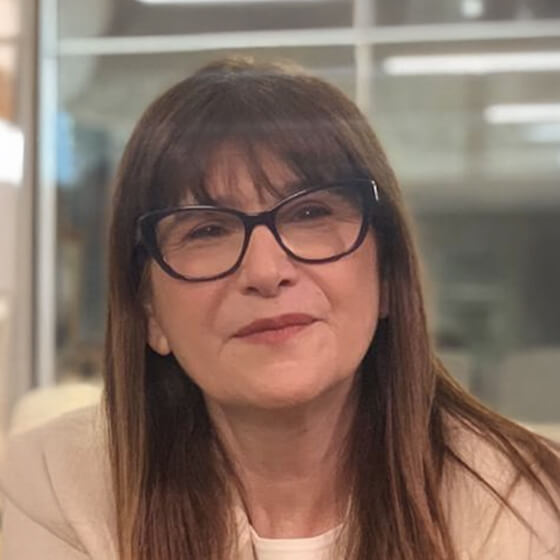
Dganit Danino
Technion, Israel
Prof. Danino completed her studies in Chemical Engineering at the Technion, and pursued postdoctoral research at the NIDDK, NIH. She joined the Faculty of Biotechnology and Food Engineering at the Technion in 2002, where she leads the Cryo-EM Laboratory of Soft Matter. Since 2019, she has also been affiliated with the Technion campus in China, GTIIT, where she established a second Cryo-EM lab and builds its research and teaching programs. Her career includes a visiting scholar at Harvard University – Department of Physics, the Koch Institute at MIT, and the KAVIL Institute for Theoretical Physics, UC Santa Barbara. Prof. Danino has served as President of the Israel Society for Microscopy (ISM) and President of the European Colloid and Interface Society (ECIS). She is currently Co-Editor-in-Chief of Current Opinion in Colloids and Interface Science (COCIS) and Editor-in-Chief of Colloids and Surfaces B: Biointerfaces. Since 2020 she is serving as Dean of Undergraduate studies of GTIIT and Head of the BFE Department.
Prof. Danino research explores self-assembly mechanisms of soft materials and 1D structures, nanocarriers for delivering bioactives, protein structure-function-property relationships, and the development and application of Cryo-EM methods. She has published over 170 papers, with H-index 58 (Google Scholar).
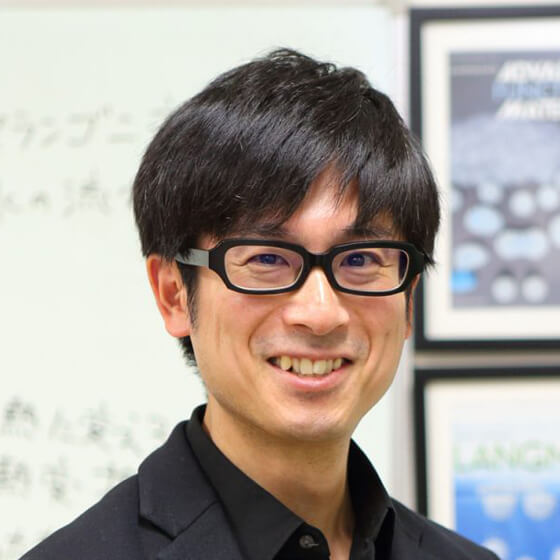
Syuji Fujii
Osaka Institute of Technology, Japan
Syuji Fujii received his Ph.D. from Kobe University in 2003. He conducted postdoctoral research at the University of Sussex (UK) from 2003 to 2004 and at the University of Sheffield (UK) from 2004 to 2006. He joined the Osaka Institute of Technology as a Lecturer in 2006 and was promoted to Associate Professor in 2013 and to Full Professor in 2017. Since 2025, he has served as an Honorary Professor at Chulalongkorn University (Thailand). His primary research interests include synthetic polymer chemistry; the design and characterization of polymer-based particles; biomimetics; and particle-stabilized soft dispersed systems such as emulsions, foams, liquid marbles, dry liquids, and gas marbles. He has published 331 original articles, 67 review articles, and 31 book chapters, and has filed 32 patents. He currently serves as a Section Editor for Current Opinion in Colloid & Interface Science (Elsevier) and as an Associate Editor for Frontiers in Soft Matter (Frontiers), and is a member of the Editorial Advisory Boards of Langmuir (ACS) and Hybrid Advances (Elsevier).
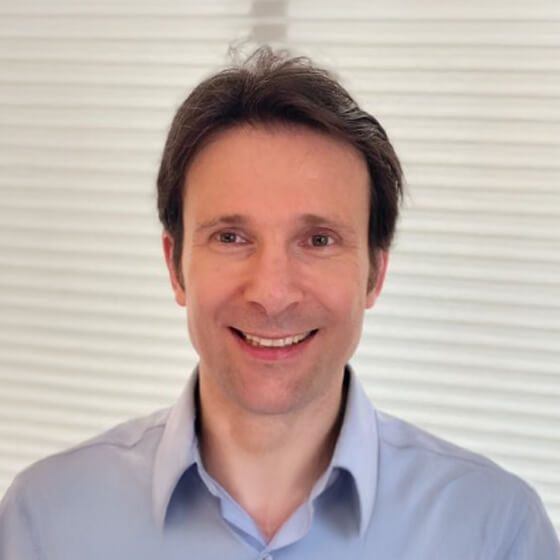
Hendrik Heinz
University of Colorado at Boulder, United States
Hendrik Heinz is a Professor of Chemical Engineering, Biological Engineering, and Materials Science at the University of Colorado at Boulder and a Senior Editor for the American Chemical Society (Langmuir). He received his Ph.D. degree from ETH Zurich and carried out postdoctoral work at the Air Force Research Laboratory. His research focuses on the simulation of biomaterials and nanomaterials from atoms to the microscale, including data science methods. He leads the development of the Interface force field and surface models for the simulation of compounds across the periodic table in high accuracy, including minerals, alloys, 2D materials, proteins, polymers. He is a Fellow of the Royal Society of Chemistry and of the International Association of Advanced Materials, received the Career and Special Creativity Awards from NSF, a Sandmeyer Award from the Swiss Chemical Society, the Max Hey Medal from the Mineralogical Society, a NASA Group Achievement Award, and held guest professorships at ETH Zurich, the National Institute of Materials Science in Japan, and the University of Paris. He served as an Amazon Scholar and his contributions support developments by several companies.
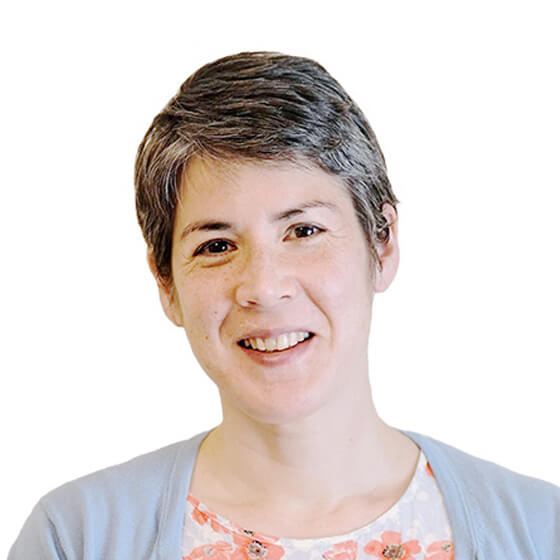
Christine Luscombe
Okinawa Institute of Science and Technology, Japan
Christine Luscombe is a Professor at the Okinawa Institute of Science and Technology. She earned her B.A. and Ph.D. from the University of Cambridge and was a postdoctoral fellow at UC Berkeley. She began her independent career at the University of Washington, where she is now an Elected Member of the Washington State Academy of Sciences (2020). Prof. Luscombe’s research on the synthesis of semiconducting polymers and the study of microplastics has led to over 140 publications. Her work has been recognized with an NSF CAREER Award, DARPA Young Faculty Award, Sloan Research Fellowship, the Society of Synthetic Organic Chemistry of Japan Lecture Award (2017), the Society of Polymer Science Japan Science Award (2022), and the Jean-Marie Lehn Award (2024). She is currently Editor-in-Chief for Polymer Chemistry, and serves on the Board of Directors for MRS and the Board for Society of Polymer Science Japan. She is the Vice President (President-elect) of IUPAC
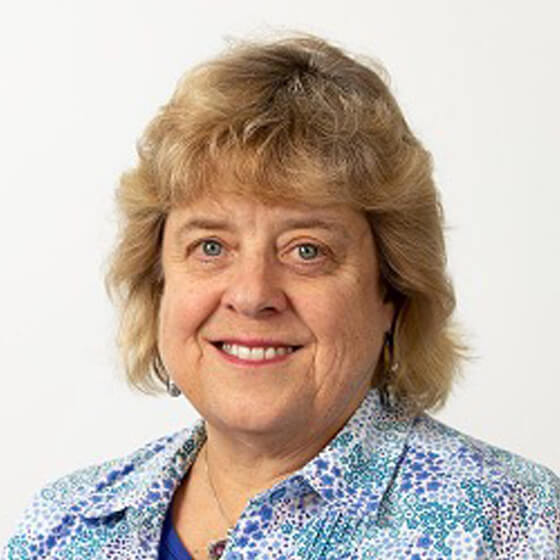
Erica Wanless
University of Newcastle, Australia
Erica Wanless is a colloid and interface scientist based at the University of Newcastle (Australia). Erica graduated from the Australian National University with a first class honours degree in chemistry, and then a PhD in surface science. She then completed a postdoctoral fellowship at the University of Otago where she used atomic force microscopy to reveal the nanostructure of adsorbed surfactant aggregates. At Newcastle she has conducted extensive research on surfactants, polymers and colloidal particles at interfaces including particle stabilised foams and emulsions. Her primary research focus has been on stimulus responsive polymers, notably polymer brushes as an excellent platform to investigate, and thus advance understanding of specific ion effects in both aqueous and non-aqueous solution. Techniques such as neutron reflection, ellipsometry, and quartz crystal microbalance are regularly used to quantify the impact of electrolyte solutions on these surface coatings. In recent years these measurements have been conducted in parallel with computational efforts at Newcastle and complementary experiments at the ANU and Flinders universities. Erica is a past-president of the Australasian Colloid and Interface Society. Okinawa Colloids 2026 will be Erica’s 9th visit to a Chemical Society of Japan meeting.
Keynote/Invited Speakers
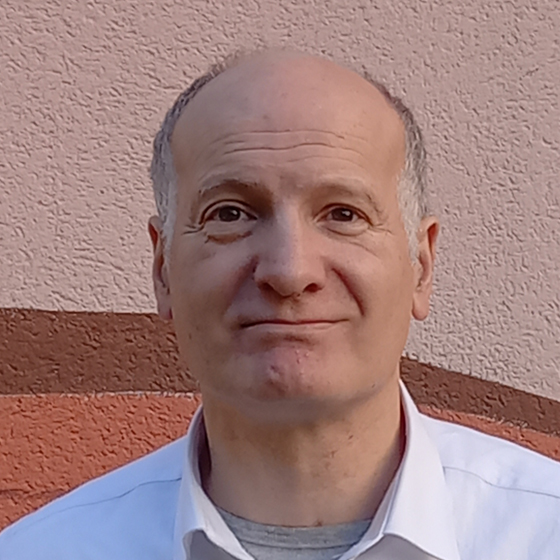
Jordi Esquena
Institute for Advanced Chemistry of Catalonia
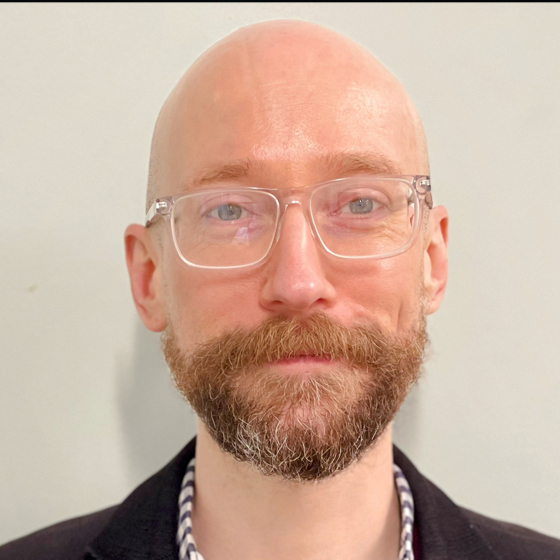
Rico Tabor
Monash University
Masafumi Hishida
Tokyo University of Science
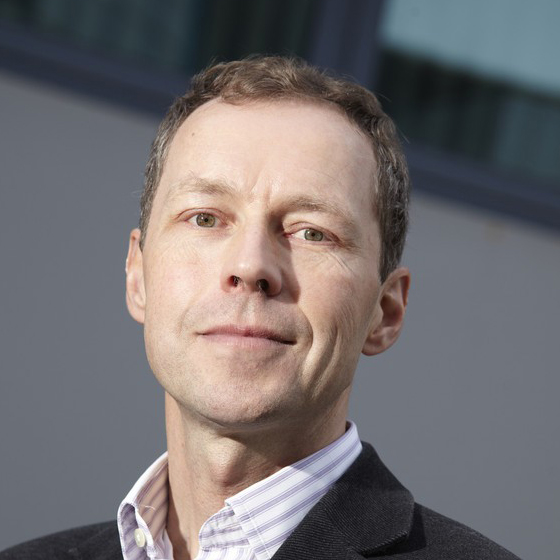
Colin Bain
Durham University
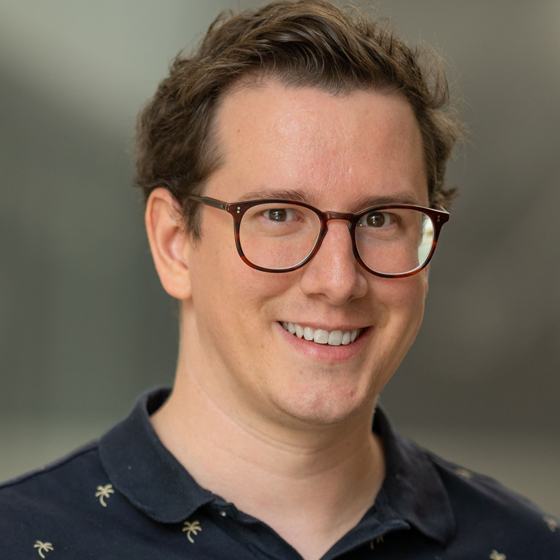
Marcel Rey
University of Münster
Daisuke Suzuki
Okayama University
Lauren Zarzar
Penn State University
Ivan Smalyukh
University of Colorado at Boulder
Kanta Tsumoto
Mie University
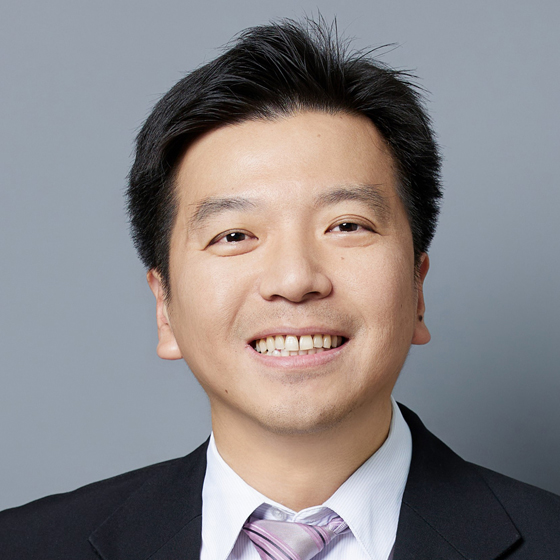
James Hutchison
The University of Melbourne
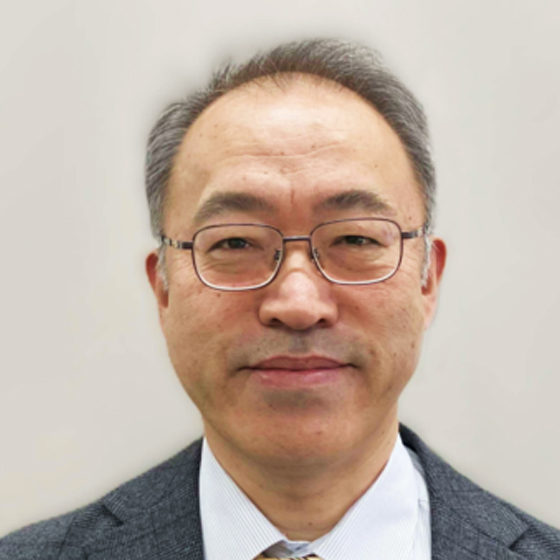
De-Hao Tsai
National Tsing Hua University
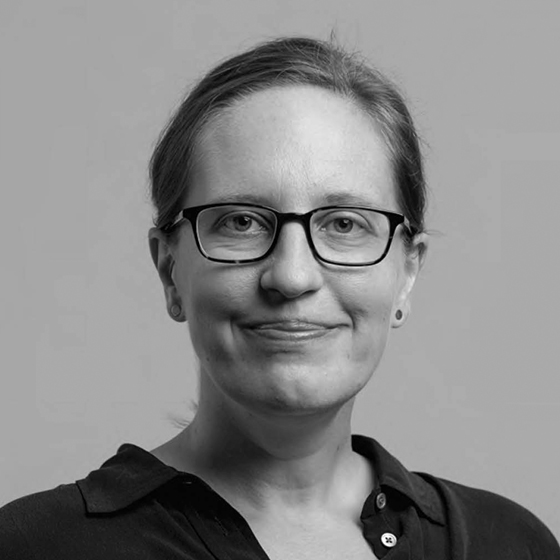
Tsukasa Torimoto
Nagoya University
Jacinta C. Conrad
University of Houston
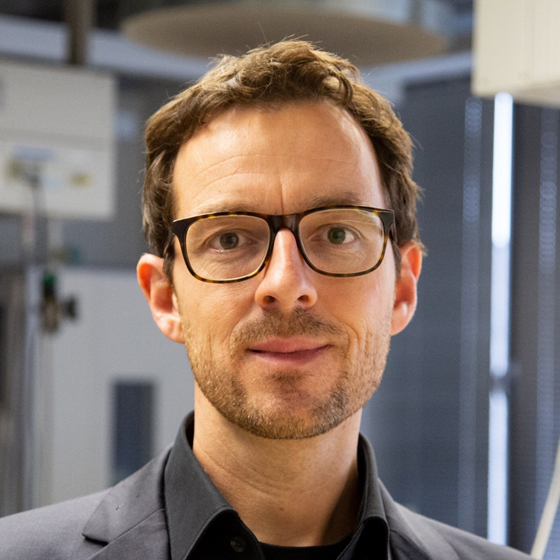
Nicolas Vogel
Friedrich-Alexander Universität Erlangen-Nürnberg
Hiroshi Nakamura
Toyota Central R&D Labs
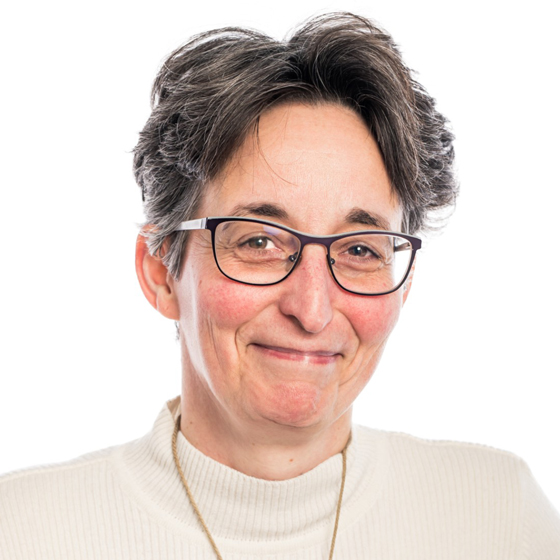
Cayer-Barrioz Juliette
École Centrale de Lyon
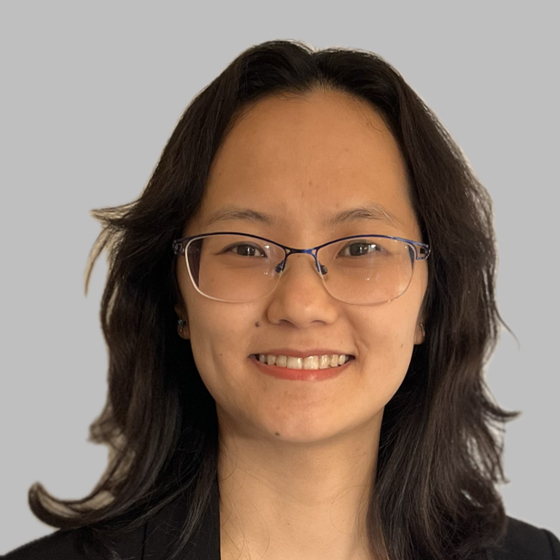
Wan-yu Tsai
Université de Lille
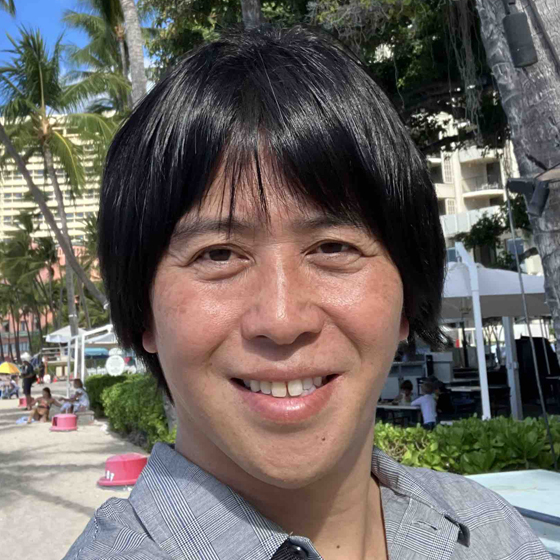
Yuichi Negishi
Tohoku University
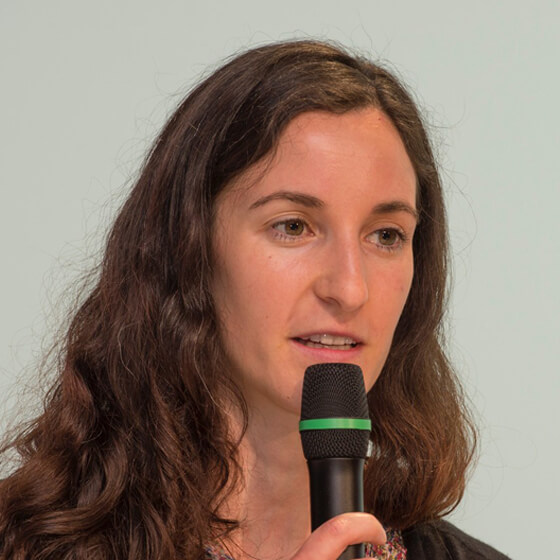
Anne-Laure Fameau
French National Institute for Agriculture, Food, and Environment
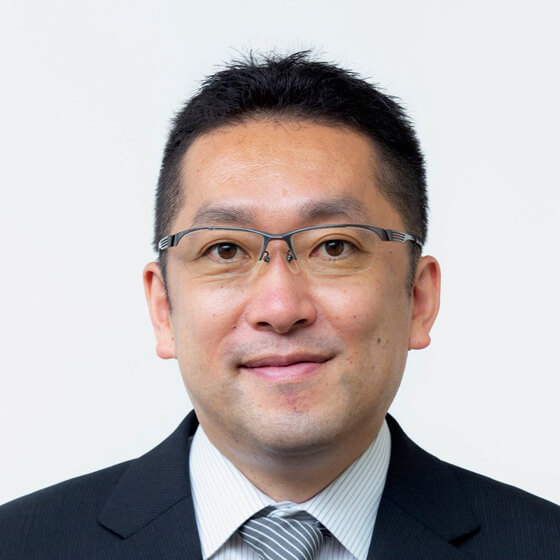
Isao Shitanda
Tokyo University of Science
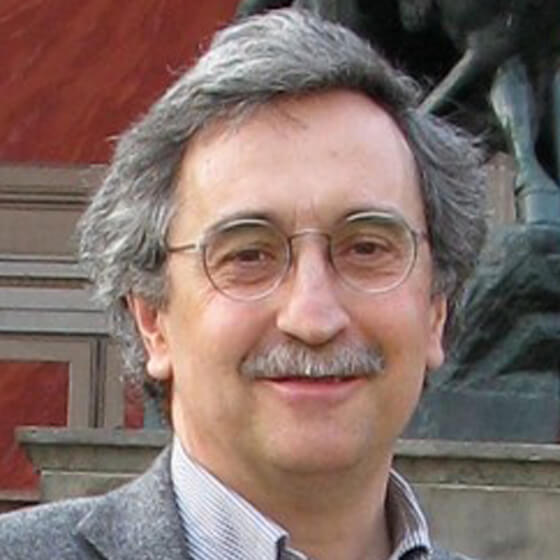
Piero Baglioni
University of Florence
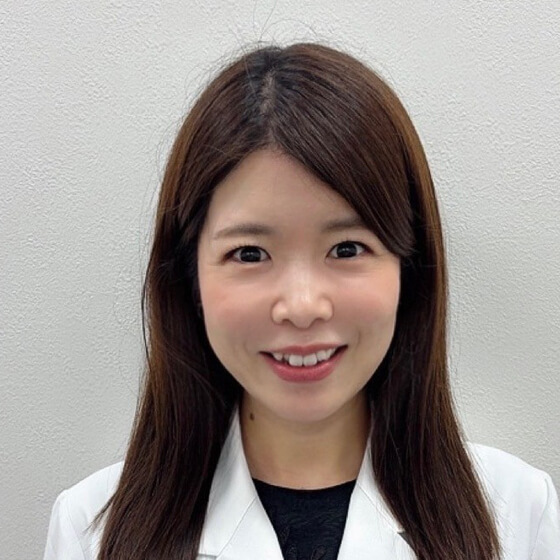
Yuko Shimma
ALBION Co., Ltd.
Tomoki Igari
Pola Chemical Industries, Inc.
Chaiwut Gamonpilas
National Metal and Materials Technology Center
Peter Fisher
ETH Zurich
Takayuki Miyamae
Chiba University

Yohko F. Yano
Kindai University
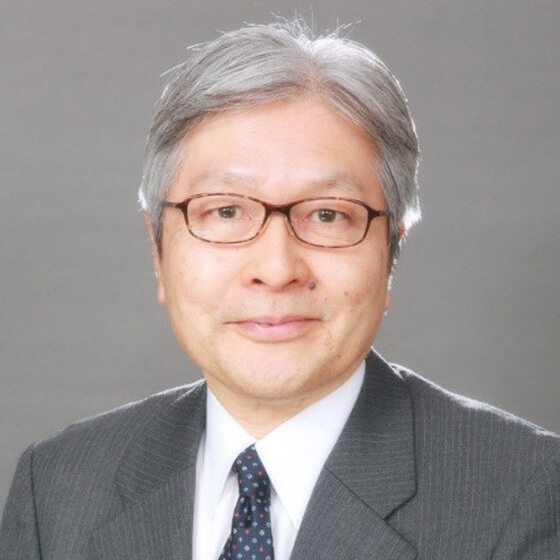
Akira Isogai
The University of Tokyo
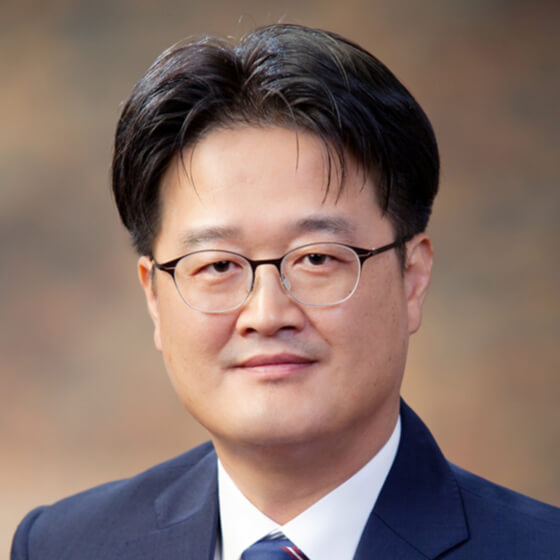
Jin Woong Kim
Sungkyunkwan University
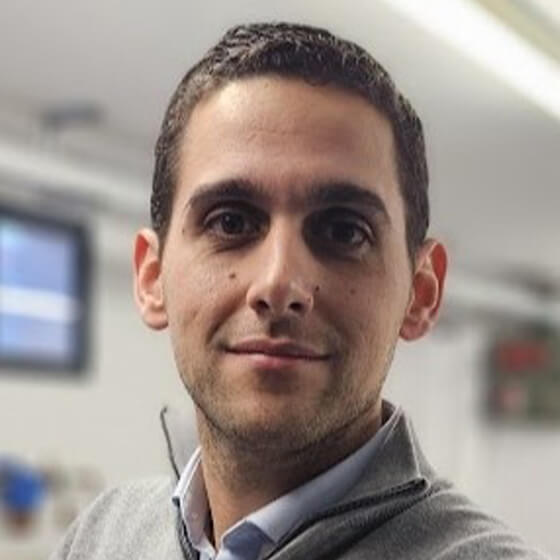
Marc Delgado-Aguilar
University of Girona
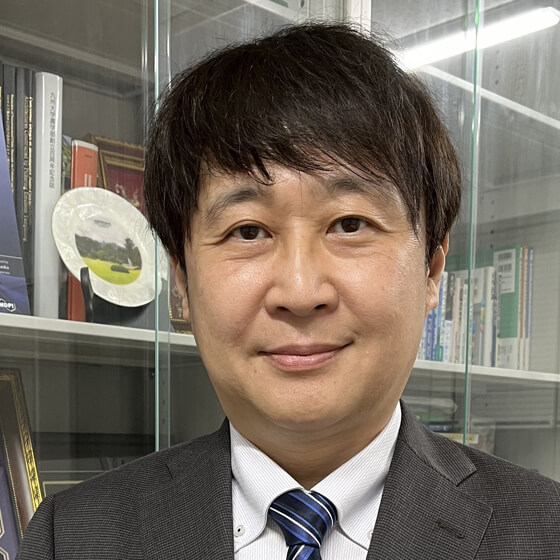
Takuya Kitaoka
Kyushu University
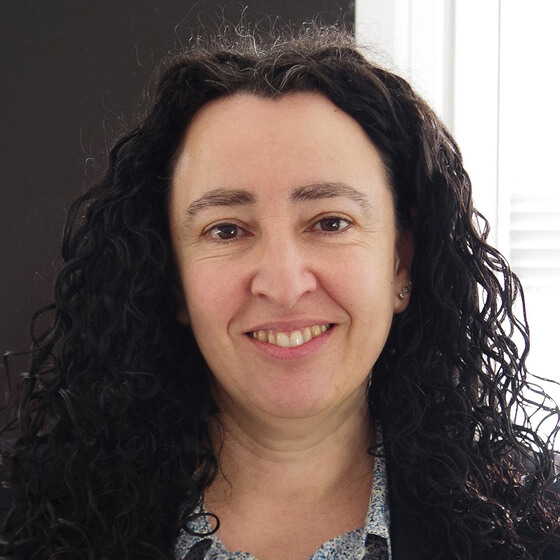
Conchi Ania
CNRS-CEMHTI
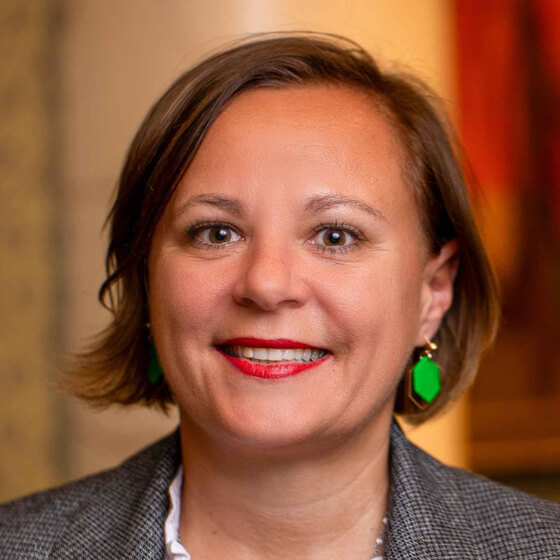
Magda Titirici
Imperial College
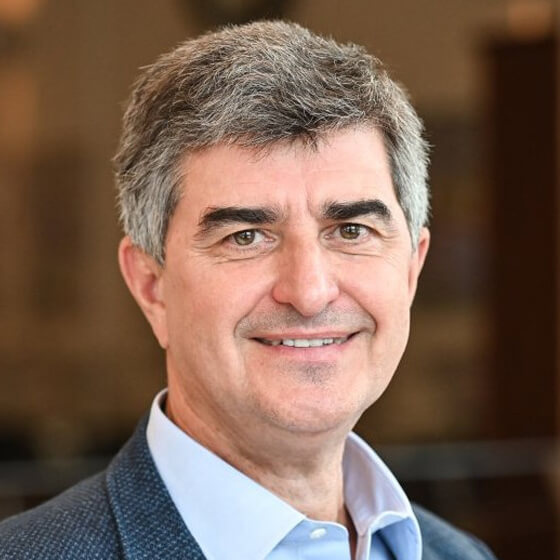
Yury Gogotsi
Drexel University
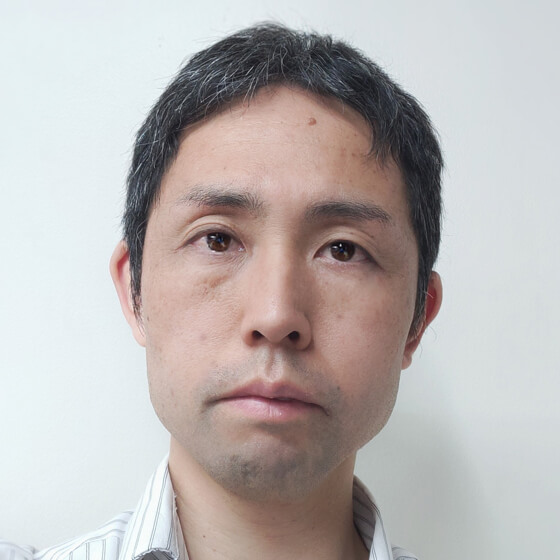
Yuta Nishina
Okayama University
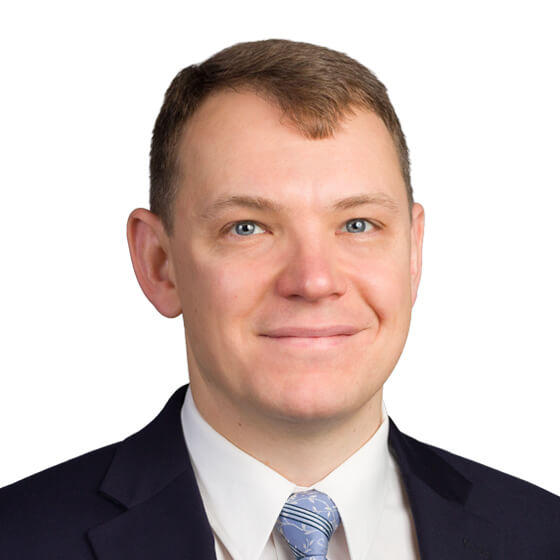
Gennady Gor
New Jersey Institute of Technology
Matthas Thommes
Friedrich-Alexander-University Erlangen-Nürnberg